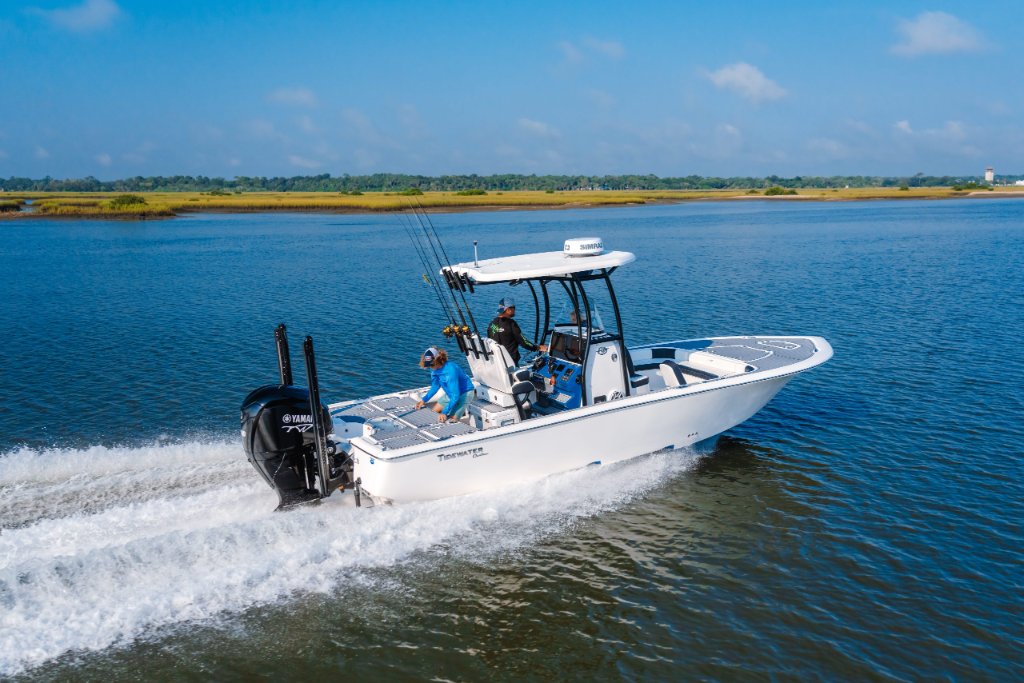
When you are navigating the chop off the Galveston jetties or chasing bull reds in the back lakes, your boat is your most critical partner. For Texas anglers, the debate between Tidewater and Sea Hunt is a rite of passage. Both brands dominate the Gulf Coast landscape, but when you look past the gelcoat, subtle differences in engineering, ride quality, and long-term value set them apart. If you are shopping for a new center console, understanding how these boats handle the unique, often unpredictable nature of Texas water is the key to making the right investment.
Tidewater vs. Sea Hunt: The Gulf Coast Reality Check
While both manufacturers are giants in the center console market, they approach hull geometry and fit-and-finish with different philosophies. In the Gulf, where we deal with short, steep, "square" waves, your hull design isn't just about speed; it is about keeping your crew dry and your back intact during a long run out to the blue water.
When comparing Tidewater boats for sale in Texas against Sea Hunt, don't just look at the LOA (Length Overall). Consider these high-impact factors:
- Deadrise at the transom: A deeper deadrise provides a softer ride in choppy conditions, while a shallower deadrise is king for skinny water.
- Freeboard Height: High freeboard is essential for offshore confidence; lower sides make for better sight-fishing in the flats.
- Resale Fluidity: Certain models hold value better in our regional market due to their reputation for reliability in saltwater.
Hull Design: Why Tidewater's Evolution Matters
Tidewater has been relentless in updating their hull designs, focusing on the "Carolina Flare" which has become a favorite for Texas offshore anglers. This design does an exceptional job of pushing spray away from the cockpit, keeping your deck—and your passengers—dry even when the chop kicks up.
Tidewater Engineering Highlights
Tidewater's attention to detail, specifically their structural composite grid systems, offers a rigid, quiet ride. For those targeting snapper or cobia, the stability of a Tidewater platform at rest is a significant advantage when the boat is loaded with gear and crew.
The Sea Hunt Approach
Sea Hunt is known for their “no-nonsense” efficiency. They excel at maximizing the usable space inside the gunwales. If your priority is packing as much seating and storage as possible for family days on the water, Sea Hunt’s layouts are intentionally designed for that versatility.
Offshore Capability: When the Gulf Gets Angry
Let’s be honest: no 23-foot boat is a match for a gale, but some are better prepared than others. If you are frequently crossing the bars or heading 30+ miles out, look for a boat with a fuel capacity that gives you at least a 20% safety margin. Tidewater models often lean into a more aggressive entry that slices through the Gulf’s steep swells, whereas Sea Hunt models often provide a flatter, more stable platform that feels very composed when trolling in moderate sea states.
Bay Fishing: Shallow Water Access
If your weekends are spent poling through the grass flats of Baffin Bay or searching for trout near Matagorda, draft is your primary concern. Always verify the "dry weight" versus "wet weight" (fuel, motor, and gear). A Tidewater bay model is often optimized for that hybrid transition—stable enough for the jetty, shallow enough for the marsh.
Fishing Features that Actually Work
Don't just count rod holders. Check the ergonomics of the livewell systems. A good livewell should have rounded corners and high-volume circulation to keep your croaker or shrimp alive through the heat of a Texas July. Look for insulated fish boxes with proper drainage that doesn't track blood and scales into your bilge.
Smart Investment: Beyond the Sticker Price
Owning a boat is more than the monthly payment. It's the cost of keeping the Yamaha or Mercury powerplants serviced, replacing electronics as technology evolves, and ensuring the upholstery can handle the intense UV exposure of our region. Tidewater’s construction methods often translate to lower long-term maintenance costs because of their robust fiberglass and hardware choices.
Making Your Choice
The “better” boat is the one that gets you on the water more often. Before making your final decision, ask yourself these three critical questions:
- Does the layout allow me to fish comfortably with my typical number of crew members?
- Is the boat easy enough to trailer and launch solo if I head out for a quick sunrise trip?
- Have I tested the ride in a legitimate chop, not just on a calm lake?
Ready to Find Your Perfect Boat?
Browse our full inventory of center consoles, bay boats, and offshore fishing machines, or reach out to our team for personalized help.


